

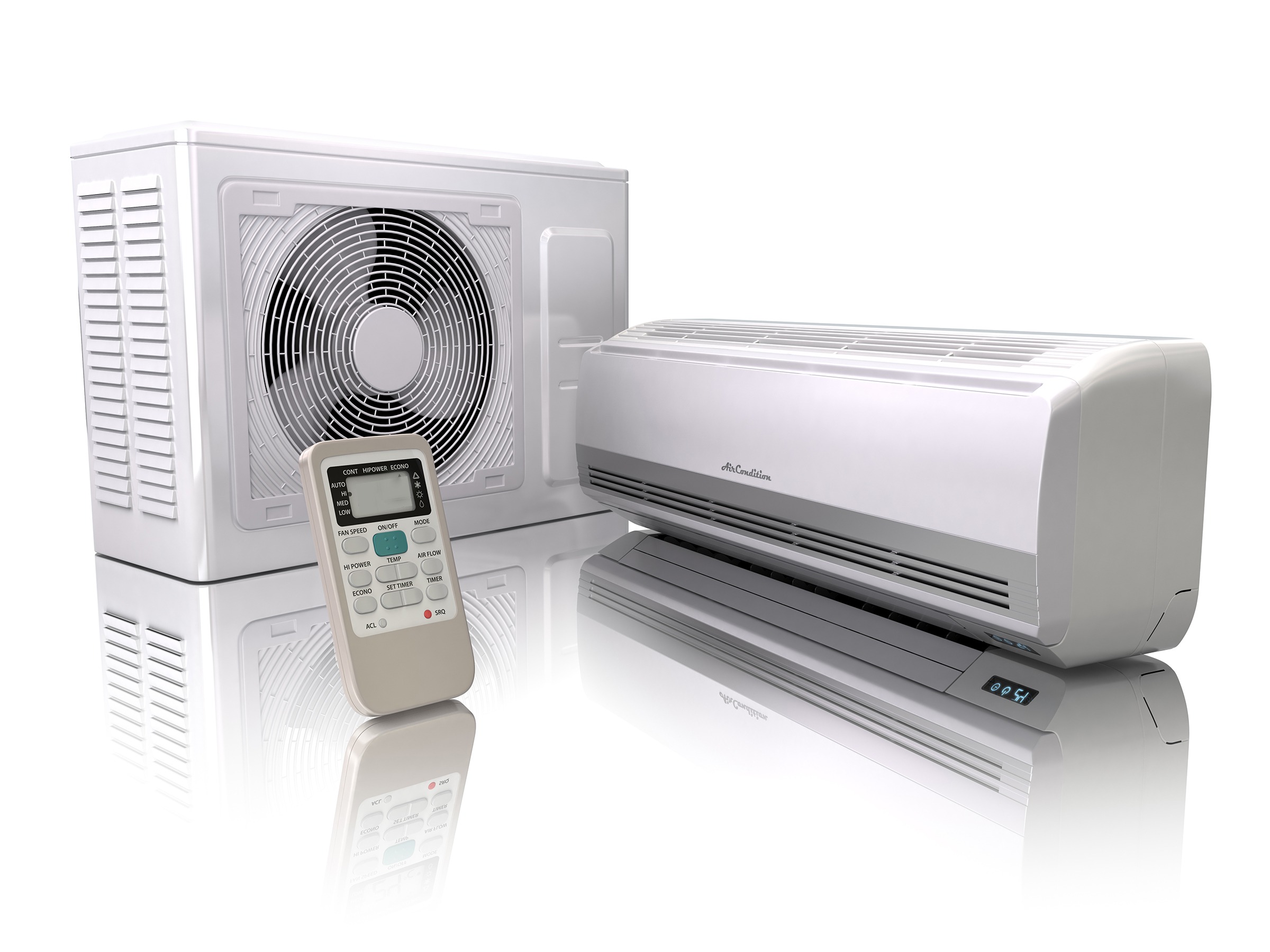
Homeowners are increasingly choosing mini split systems for their heating and cooling needs due to a combination of efficiency, flexibility, and ease of installation. Unlike traditional central air systems that require extensive ductwork, mini splits operate without ducts, making them an attractive option for older homes or spaces where adding ducts is impractical or costly. This ductless design not only simplifies installation but also reduces the energy losses typically associated with ductwork, contributing to lower utility bills.
Another key factor driving the popularity of mini splits is their ability to provide zoned climate control. Each indoor unit can be controlled independently, allowing homeowners to adjust temperatures room by room according to individual preferences or usage patterns. This zoning capability enhances comfort while saving energy since unused rooms do not need to be heated or cooled unnecessarily. Such precise control is particularly beneficial in multi-story homes or buildings with varying sun exposure and insulation levels.
Energy efficiency remains a significant consideration for many homeowners when selecting HVAC systems. Mini splits often feature inverter-driven compressors that modulate speed based on demand rather than operating at full power all the time. This technology improves performance by maintaining consistent temperatures more steadily while consuming less electricity compared to conventional units that cycle on and off frequently. Additionally, many models have high Seasonal Energy Efficiency Ratios (SEER) and Heating Seasonal Performance Factors (HSPF), meeting or exceeding stringent energy standards.
The versatility of mini splits extends beyond residential use; they work well in various settings such as home additions, garages, basements, and converted spaces like attics or workshops where extending existing HVAC infrastructure would be challenging. Their compact size allows placement in discreet locations without sacrificing aesthetic appeal or interior space. Many units come with sleek designs that blend seamlessly into modern decor.
Maintenance requirements for Mini Split systems tend to be straightforward as well. With fewer moving parts exposed compared to traditional forced-air systems and no ducts accumulating dust and debris over time, upkeep generally involves cleaning filters regularly and scheduling periodic professional inspections. These factors contribute to longer system lifespans and reduced repair costs.
Environmental concerns also influence homeowner choices today; mini splits use refrigerants with lower global warming potential than older HVAC equipment often does. By improving overall home energy performance while reducing carbon footprints through efficient operation, these units align with growing demands for sustainable living solutions.
In summary, the shift toward mini split technology reflects practical benefits including improved efficiency, individualized comfort control, simpler installation processes without ductwork complications, low maintenance needs, adaptability across diverse applications, modern aesthetics coupled with environmental responsibility-all reasons why more homeowners are making this smart transition in their climate control strategies.